- ACT and CBT
- Attachment work
- DBT skills
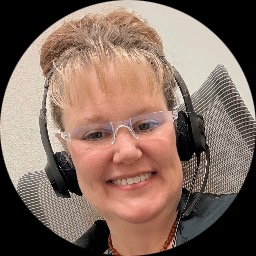
About Lisa
Lisa Butrymowicz is a Florida LCSW with 23 years of clinical experience. She works with adults facing stress, anxiety, relationship problems, trauma and abuse, bipolar disorder, and ADHD. She speaks English and accepts international clients.
She prefers straightforward talk and practical steps. Sessions focus on clear goals and skills you can use between visits. Lisa adapts the conversation to what a person needs in the moment rather than following a rigid script.
Her background includes long-term work supporting people with attachment and abandonment concerns. She also addresses challenges connected to adoption and foster care, caregiver stress, blended family dynamics, and aging issues. Lisa includes attention to codependency, communication and commitment issues as part of relationship work.
Therapy may use tools from cognitive behavioral approaches and acceptance and commitment practice to help notice thoughts and try different actions. She also draws on attachment-based ideas to look at patterns from earlier relationships and dialectical behavior elements to teach emotion regulation skills.
People often come for help with difficult feelings tied to identity, past choices, or relationship pain. Lisa aims to make sessions practical and respectful, focusing on what can change now and what needs time. To get started she asks clients to complete a short matching questionnaire and then schedule a first session.
How her approaches translate to online sessions
Acceptance and Commitment Therapy (ACT) helps people notice painful thoughts and choose actions that match their values. In practice this can mean learning simple exercises to reduce avoidance and try new behaviors. Cognitive Behavioral Therapy (CBT) focuses on identifying unhelpful thought patterns and testing them with specific exercises and homework to reduce anxiety and stress. Attachment-Based Therapy looks at relationship patterns formed earlier in life and helps people try different ways of relating now to reduce repeated hurts.Finding the right approach is collaborative. The therapist will work with the client to test methods and see what fits their needs, goals, and preferences. That might mean combining techniques from different approaches over several sessions and adjusting as progress is reviewed.
Session formats are not listed in the biography, so confirm the available options before booking. Many people find online work helpful because it can fit around work and family demands, make it easier to keep weekly appointments, or allow shorter check-ins on busy days. Other practical benefits include using screen-based worksheets together or practicing skills in the moment while still getting professional guidance from a licensed professional.
Areas of expertise
Primary focus
Additional focus areas
Therapeutic approaches
Experience
23+ years
Listed in
Florida
Languages
English
Frequently asked questions
What concerns does she help with?
She works with stress, anxiety, relationship issues, trauma and abuse, bipolar disorder, and ADHD, along with related topics like abandonment, caregiver stress, and communication problems.
How would she describe her therapeutic style?
Her style is practical and person-centered, using conversational work and skill teaching drawn from approaches like CBT, ACT, and DBT.
How much experience does she have?
She has 23 years of professional experience working with adults across a range of concerns.
What are her credentials and where does she practice?
She is an LCSW licensed in Florida and provides services from that state.
Can I work with her if I live outside the United States?
Sessions are offered to international clients; sessions are conducted in English.
What session formats are available?
Session formats are not specified here; please confirm current session options before booking.
How does cost and payment work?
Cost varies with location and sessions use a subscription that can be canceled at any time.
How do I begin working with her?
Use the See online therapy options button, complete a short matching questionnaire, and then schedule a first session.
Online talk therapy is not emergency care. If you are in danger or thinking about harming yourself, use the crisis numbers.