- Guilt and shame work
- CBT and DBT skills
- Mindfulness practice
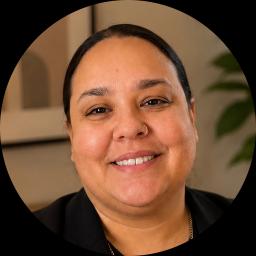
About Paula
Paula Smith is an LCSW (Licensed Clinical Social Worker) with four years of clinical experience, licensed in Texas and Oklahoma. She works with adults facing stress, anxiety, depression, bipolar mood concerns, addiction, grief, relationship strain, and issues related to LGBT identity and trauma.
Paula helps people talk through feelings of shame and guilt and the fallout from difficult life events. She also supports those coping with chronic illness, caregiver stress, attachment questions, and blended family challenges. Her work includes addressing communication and commitment problems, codependency, and substance use concerns.
Her sessions tend to combine practical skills with time to reflect. Paula uses cognitive behavioral approaches to identify patterns that keep someone stuck. She adds mindfulness practices to help with overwhelming emotion and skills from dialectical behavior therapy for distress tolerance and emotion regulation.
Paula also uses motivational interviewing to support change and psychodynamic ideas to look at how past relationships shape current patterns. She describes therapy as collaborative and focuses on what someone wants to be different in their life. The emphasis is on readable, usable steps rather than jargon.
To begin, Paula asks people to complete a short matching questionnaire and then schedule a first session. She practices in Texas and works in English. Sessions use a subscription model that can be canceled at any time.
Therapeutic approaches and online sessions
Paula uses Cognitive Behavioral Therapy to help people spot and change thinking patterns that fuel guilt, shame, anxiety, and low mood. CBT focuses on practical steps and exercises to test new ways of thinking and behaving. Dialectical Behavior Therapy skills are used to teach emotion regulation, distress tolerance, and clearer communication when strong feelings get in the way.She also incorporates mindfulness techniques to increase present-moment awareness and reduce reactivity. These approaches are chosen to match the issue at hand, whether that's working through trauma-related shame, managing bipolar mood swings, or changing unhelpful habits. Paula works collaboratively with each person to decide which methods fit their goals and preferences rather than prescribing a single path.
Confirm the current session options before booking since session formats are not listed here. Online sessions can make it easier to fit therapy into a busy day, allow shorter check-ins when needed, and remove travel time. The therapist will discuss practical arrangements and help plan scheduling that fits into everyday life while choosing approaches that support the client's goals.
Areas of expertise
Primary focus
Also works with
Additional focus areas
Therapeutic approaches
Experience
4+ years
Listed in
Oklahoma, Texas
Languages
English
Frequently asked questions
What concerns does she help with?
She works with stress, anxiety, depression, bipolar mood issues, addictions, trauma and LGBT identity concerns, plus grief, relationship and self-esteem problems.
How does she approach guilt and shame?
She combines practical skills and reflective work, using CBT to challenge unhelpful thoughts and mindfulness to sit with strong feelings without judgment.
What is her clinical background?
She has four years of experience as an LCSW and has worked with trauma survivors, LGBTQ+ clients, and people managing mood and anxiety disorders.
Where is she licensed and practicing?
She holds LCSW credentials in Texas and Oklahoma and practices based in Texas.
What languages are supported?
Sessions are offered in English.
Can international clients work with her?
She does not accept international clients at this time.
How are sessions billed?
Sessions use a subscription model that can be canceled at any time and costs vary with location.
How do I get started?
Select the See online therapy options button, complete a short matching questionnaire, and schedule a first session.
Online talk therapy is not emergency care. If you are in danger or thinking about harming yourself, use the crisis numbers.