- Stress and anxiety
- Grief and loss
- Self esteem work
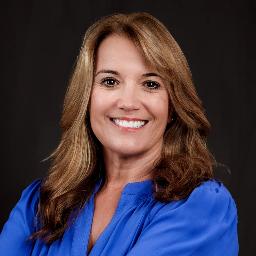
About Suzanne
Suzanne Clark is a Licensed Clinical Social Worker, LCSW, practicing in Florida with 14 years of clinical experience. She works with adults facing stress, anxiety, grief, sleep problems, low self-esteem, and coping with life changes, including issues around abandonment and attachment.
Suzanne uses a collaborative, forward-focused style. Sessions are practical and goal-oriented. She helps people talk through what they are feeling and identify small changes they can try between meetings.
She has particular experience supporting people managing chronic illness, caregiver stress, cancer, and aging concerns. She also works with people dealing with body image, codependency, communication problems, and the emotional effects of adoption and foster care.
In session Suzanne pays attention to how relationships and early attachment patterns affect current feelings of shame or guilt. She helps people notice patterns that keep them stuck and practices skills to respond differently in everyday situations.
Her work often includes improving communication, building self-esteem, and creating realistic plans for handling stressful moments. She encourages steady progress rather than quick fixes. Her approach aims to make difficult feelings clearer and more workable so people can make reasoned choices about next steps.
Evidence-based approaches and remote sessions
Many therapists described in this profile use evidence-based therapeutic techniques that focus on thoughts, behavior, and relationships. Cognitive techniques help people identify unhelpful thinking patterns and try small experiments to test those thoughts, which is useful for anxiety and low self-esteem. Behavioral and skills-based work focuses on practical steps such as sleep routines, pacing for chronic illness, and communication practice to reduce caregiver stress and daily overwhelm.Finding the right approach is part of the work. The therapist will talk with each person about their goals, symptoms, and preferences and choose methods together. That collaborative process helps shape which techniques are used and how sessions are structured.
The biography does not list specific session formats, so confirm the available options before booking. Online sessions can make it easier to fit meetings into a busy week, reduce travel time, and allow quicker check-ins when needed. Some formats also let people choose less camera time or shorter appointments when that helps fit therapy into work or family routines. Licensed professionals aim to match the practical form of sessions to what will work in everyday life.
Areas of expertise
Primary focus
Additional focus areas
Experience
14+ years
Listed in
Florida
Languages
English
Frequently asked questions
What kinds of concerns does she address?
She works with stress, anxiety, grief, sleep problems, low self-esteem, and coping with life changes, plus related issues such as abandonment and attachment.
How would she approach shame or guilt?
Her style is collaborative and forward-focused, helping people notice patterns that keep them stuck and practice practical skills to respond differently in daily life.
How much experience does she have?
She has 14 years of clinical experience working with adults on mood, caregiving stress, chronic illness, and interpersonal concerns.
What are her credentials and location?
She is a Licensed Clinical Social Worker, LCSW, licensed in Florida and practices there.
Does she offer sessions in other languages or internationally?
Sessions are offered in English. She is not currently accepting international clients.
What formats are used for sessions?
Current session formats are not specified in the biography; confirm the available options before scheduling.
How are fees handled?
Cost varies with location and sessions use a subscription that can be canceled at any time.
How do I begin working with her?
Select the See online therapy options button, complete a short matching questionnaire, and then schedule the first session.
Online talk therapy is not emergency care. If you are in danger or thinking about harming yourself, use the crisis numbers.