- Attachment-based work
- CBT techniques
- Mindfulness practice
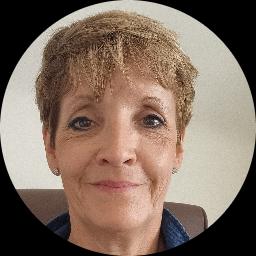
About Karen
Karen Dodd is a BACP counsellor practising in the United Kingdom with six years of professional experience. She works with people facing stress, anxiety, relationship strain, grief, low self-esteem, life transitions, trauma and abuse, parenting pressures, career issues and depression.
Karen draws on several therapy approaches to help clients talk through what matters most to them. Sessions often focus on understanding attachment patterns, noticing unhelpful thoughts and practising calmer responses. She also uses person-centred listening and mindfulness exercises to help people ground themselves when feelings feel overwhelming.
She has experience supporting people affected by cancer and volunteers as a counsellor for a cancer charity. That work includes helping people manage the emotional impact of illness and the effects on close relationships.
Karen has worked in corporate settings and understands work-related stress, burnout and the shock that redundancy can bring. She supports people trying to balance job demands with family life and to rebuild confidence after job loss.
She has worked with neurodivergent clients and addresses the anxiety that can accompany neurodiversity and life stages such as the menopause. Practical coping strategies and clearer thinking are often part of the work.
Karen aims to listen with respect and sensitivity. New clients are asked to complete a short matching questionnaire and then book a first session so the counsellor and client can agree next steps together.
Therapeutic approaches and how they work online
Attachment-Based Therapy looks at how early relationships shape current emotional responses. Online work with attachment ideas can help people notice patterns in close relationships and learn different ways to relate to others and to themselves.Cognitive Behavioural Therapy, or CBT, focuses on identifying unhelpful thoughts and testing them against reality. In an online setting this often involves practical exercises, short between-session tasks and step-by-step planning to reduce anxiety or low mood.
Karen treats finding the right approach as a collaborative process. She will discuss options with each person, try different methods and adjust the focus based on the client's needs, goals and preferences.
If you want to use online sessions, please confirm the current session formats before booking. Many people find online work helps fit therapy into busy lives, makes it easier to have shorter check-ins, and can reduce travel time. Registered or accredited professionals can adapt attachment and CBT techniques for remote sessions so practical skills and new ways of thinking can be practised between meetings.
Areas of expertise
Primary focus
Also works with
Additional focus areas
Therapeutic approaches
Experience
6+ years
Listed in
United Kingdom
Languages
English
Frequently asked questions
What kinds of concerns does she help with?
She works with stress, anxiety, relationship problems, grief, low self-esteem, life changes, trauma and depression, among other issues listed in her profile.
How does she approach feelings of guilt or shame?
Her approach draws on attachment-based ideas, CBT and person-centred listening to help people understand the origins of guilt or shame and practise different ways of responding to those feelings.
What is her professional background?
She has six years of professional experience and experience working in corporate environments and with a cancer charity, supporting people through illness and its family impact.
What credential does she hold and where is she based?
She is BACP credentialed and practises in the United Kingdom.
Which languages are supported?
Sessions are offered in English.
Can international clients work with her?
She is not currently accepting international clients.
How are sessions paid for and what do they cost?
Cost varies with location; sessions use a subscription model that can be cancelled at any time.
What is the first step to begin working together?
Select the See online therapy options button, complete a short matching questionnaire, and schedule a first session.
Online talk therapy is not emergency care. If you are in danger or thinking about harming yourself, use the crisis numbers.