- Guilt and shame
- Gender and sexual identity
- Evidence-based methods
About Katherine
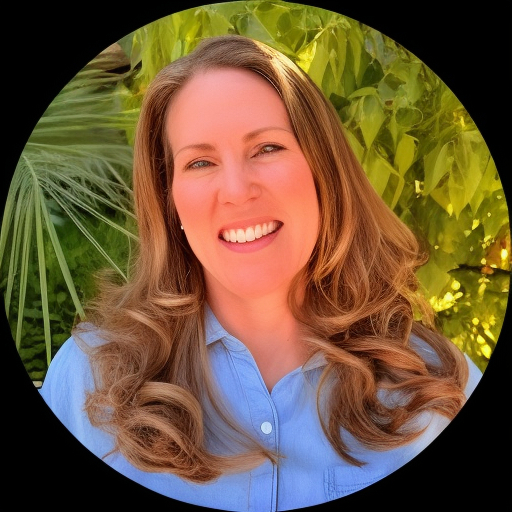
Katherine Meyers is a Licensed Clinical Social Worker (LCSW) in Nevada with four years of clinical experience. She helps adults carrying stress, anxiety, depression, queer identity questions, and the effects of trauma and abuse. Katherine lists guilt and shame among the concerns she works with and approaches each person with direct, evidence-aware methods.
Katherine comes from a social work background rooted in service, justice, dignity, and integrity. She describes her practice as person-centered and evidence-based. In sessions she listens for how past attachments, family patterns, and identity experiences shape current feelings and behaviors.
She often works with people coping with relationship strains, abandonment worries, body image and self-esteem problems, and complexities around BDSM, kink, and alternative sex culture. She also supports people managing chronic illness, caregiving stress, or overlapping mental health concerns such as anxiety and depression.
In practical terms Katherine uses techniques grounded in evidence-based therapeutic approaches and combines them with straightforward conversation and problem-solving. She aims to help people notice patterns, try different ways of responding, and practice new skills between sessions.
Katherine holds LCSW licensure in New York and Nevada. Sessions are conducted in English and she does not take international clients. Her practice uses a subscription model for sessions that can be canceled at any time. To begin, clients complete a short matching questionnaire and schedule a first session.
How evidence-based approaches translate to online work
Many of the techniques Katherine uses are described as evidence-based therapeutic techniques. One common approach focuses on identifying unhelpful thinking and testing new thoughts in daily life to reduce anxiety and self-critical beliefs. This approach helps people who feel stuck by shame or guilt notice patterns and try different, small changes.Another often-used approach emphasizes working with attachment and relationship patterns. This kind of work looks at how early connections shape current trust, boundaries, and reactions, and it can be useful for people dealing with abandonment, commitment concerns, or relationship conflicts.
Finding which approach fits is part of the work. Katherine treats the selection of methods as a collaborative process and will discuss goals, preferences, and how techniques feel in practice. Together the therapist and client decide which tools to try and adjust them over time.
Confirm the current session formats before booking, as the biography does not list specific options. Online sessions can make it easier to fit therapy into a busy schedule, reduce travel time, allow for shorter check-ins when needed, and lower the effort required to attend while keeping regular contact with a licensed professional.
Areas of expertise
Additional focus areas
Experience
4+ years
Listed in
New York, Nevada
Languages
English
Frequently asked questions
What kinds of concerns does she address?
Katherine works with stress, anxiety, depression, trauma and abuse, LGBT identity issues, and related concerns like self-esteem and body image.
What is her therapeutic style?
She uses person-centered work combined with evidence-based therapeutic techniques and practical problem-solving in sessions.
How much clinical experience does she have?
She has four years of experience as a practicing clinician.
What are her credentials and where does she practice?
Katherine is an LCSW licensed in New York and Nevada and practices from Nevada.
Which languages are supported?
Sessions are offered in English.
Does she see clients outside the United States?
She does not accept international clients at this time.
How are sessions priced?
Cost varies with location and sessions use a subscription that can be canceled at any time.
How do I start a first session?
Use the See online therapy options button, complete a short matching questionnaire, and schedule your first session.
Online talk therapy is not emergency care. If you are in danger or thinking about harming yourself, use the crisis numbers.