- Addictions recovery
- Anxiety and stress
- Client-centered work
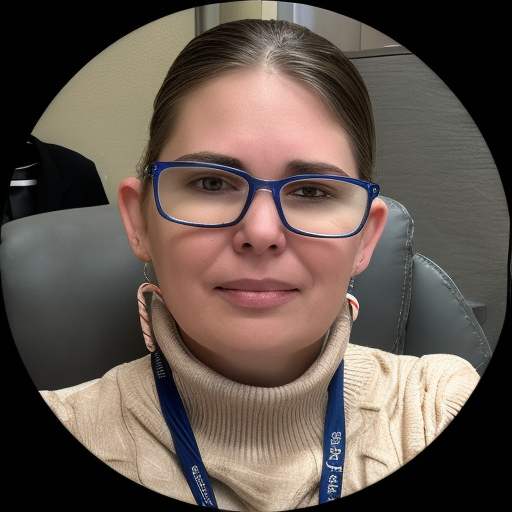
About Pamela
Pamela Shultz is a Licensed Professional Counselor (LPC) based in Louisiana with three years of clinical experience. She works with adults facing stress, anxiety, addictions, relationship strain, parenting pressure, and coping with life changes. Pamela brings experience from military life and parenthood into the room to help people talk through what is overwhelming them.
Pamela focuses on substance use and recovery and on understanding patterns that keep people stuck. She helps clients identify behaviors, strengthen emotional regulation, and build practical skills for daily life. Sessions are direct and focused on usable tools rather than jargon.
She uses a client-centered stance to listen first and follow what matters most to each person. Pamela also draws on cognitive behavioral methods to spot and change unhelpful thoughts and actions. Mindfulness and motivational approaches are woven in to support staying present and finding reasons to change.
Pamela helps people facing issues tied to abandonment, attachment, blended family dynamics, and parenting strain. She also works with concerns connected to chronic illness, caregiver stress, body image, and major life transitions. Conversations are grounded and oriented toward small, concrete steps.
People meet her when they want clear strategies for coping and recovery rather than long theory talks. The focus is on what can be done now to ease pressure, regain control of daily routines, and reduce the hold of guilt or shame related to past actions.
How her approaches translate to online work
Client-Centered Therapy emphasizes listening and following what matters most to the person. Online sessions using this approach focus on clear, attentive conversations that let the client name goals and pace. Cognitive Behavioral Therapy (CBT) targets specific thoughts and behaviors and uses practical exercises. Online CBT often includes homework, thought records, and short skill practices you can do between sessions.Finding the right approach is part of the work. Pamela will collaborate with each person to decide which mix of client-centered listening and CBT techniques fits their needs, goals, and preferences. That choice can shift as progress is made or new challenges appear.
The biography does not list specific session formats, so confirm current options before booking. Online care can make it easier to fit sessions into a busy life - for example, shorter check-ins during a work break or video conversations when meeting in person is difficult. It also lets people keep momentum with homework and skill practice between meetings, which many find helpful when addressing shame, addiction patterns, or anxiety.
Areas of expertise
Primary focus
Additional focus areas
Therapeutic approaches
Experience
3+ years
Listed in
Louisiana
Languages
English
Frequently asked questions
What kinds of problems does she address?
She works with adults on stress, anxiety, addictions, relationship difficulties, parenting challenges, and coping with life changes.
How does she approach guilt or shame?
Her approach focuses on understanding patterns, strengthening emotional regulation, and building practical skills to reduce the impact of guilt or shame.
What is her background and experience?
She is a Navy veteran and has three years of experience as a Licensed Professional Counselor.
What are her credentials and where is she based?
She is an LPC licensed in Louisiana and practices from that state.
Does she offer sessions in other languages or to international clients?
Sessions are offered in English and she is not accepting international clients at this time.
What session formats are available?
Please confirm current session options before booking, as the biography does not specify which session formats are used.
How are session costs handled?
Cost varies with location and sessions use a subscription that can be canceled at any time.
How do I begin working with her?
Select the See online therapy options button, complete a short matching questionnaire, and schedule a first session.
Online talk therapy is not emergency care. If you are in danger or thinking about harming yourself, use the crisis numbers.