- CBT methods
- DBT skills
- Acceptance and Commitment Therapy
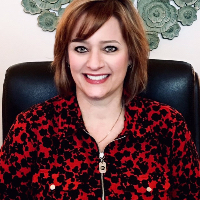
About Shannon
Dr. Shannon Hunter is an LPC (Licensed Professional Counselor) in Texas with 19 years of clinical experience. She focuses on helping people reduce stress, manage anxiety and navigate issues such as depression, relationship concerns, grief, and struggles around identity and intimacy. She also works with clients facing addictions, trauma, ADHD, and difficulties with sleep and eating.
She blends talk therapy with psychoeducation to give practical tools. Cognitive Behavioral Therapy (CBT) and Dialectical Behavior Therapy (DBT) are part of her approach, along with Acceptance and Commitment Therapy (ACT) and attachment-based ideas. Sessions include skill building, mindfulness, and concrete coping strategies rather than only discussion.
Her background includes degrees from Texas Tech University and a Doctorate in Educational Psychology. She also has a Master’s in Counseling and a Master’s in Education. Over nearly two decades she has worked in private practice, integrated health clinics, university campuses, state facilities, and group clinics. That variety informs how she adapts to different life situations.
In sessions she aims for clear, professional communication and steady listening. She offers guidance on practical skills - for example emotion regulation techniques, behavioral experiments, and ways to shift unhelpful thought patterns. That work often focuses on everyday problems like parenting strain, caregiving stress, and coping with life changes.
People looking for help with feelings of shame, self-blame, or persistent guilt may find this approach concrete and skills-oriented. To start, she asks prospective clients to complete a brief matching questionnaire and schedule an initial session.
How her approaches translate to online work
Acceptance and Commitment Therapy (ACT) focuses on helping people notice painful thoughts and feelings without getting stuck in them. It emphasizes values-based action and practical exercises to move forward despite discomfort, which can help with shame, guilt, and avoidance.Cognitive Behavioral Therapy (CBT) is about identifying unhelpful thoughts and testing them through real-life experiments. It uses step-by-step strategies to change behavior and reduce anxiety or depressive patterns, and is often paired with homework between sessions.
Dialectical Behavior Therapy (DBT) teaches concrete skills for emotion regulation, distress tolerance, and interpersonal effectiveness. Those skills can be practiced in session and applied to relationship conflicts, burnout, and intense shame reactions.
Finding the best approach is collaborative. She will discuss goals, preferences, and which methods fit the situation. That discussion shapes an individualized plan that may combine ACT, CBT, and DBT techniques as needed.
Session logistics should be confirmed before booking, since formats are not specified here. Online work can make it easier to fit appointments into busy schedules, allow shorter check-ins on hectic days, and reduce travel time. Ask about the available session options when you schedule to learn how they can fit into your routine.
Areas of expertise
Primary focus
Also works with
Additional focus areas
Therapeutic approaches
Experience
19+ years
Listed in
Texas
Languages
English
Frequently asked questions
What kinds of concerns does she work with?
She works with stress, anxiety, depression, relationship and intimacy issues, addictions, trauma, grief, ADHD, and related concerns such as body image and caregiver stress.
How would she approach persistent guilt or shame?
She uses talk therapy plus psycho-educational tools to identify patterns and teach coping strategies like cognitive reframing, mindfulness, and emotion regulation skills.
What is her professional background?
She has 19 years of experience, with a Doctorate in Educational Psychology and master’s degrees in Counseling and Education, and experience across clinics, campuses, and private practice.
What credentials and location apply?
She is an LPC licensed in Texas and practices from that state.
Which languages are supported in sessions?
Sessions are offered in English only.
Can people outside the United States work with her?
International clients are not currently accepted.
How are sessions paid for and priced?
Cost varies by location; sessions use a subscription model that can be canceled at any time.
What is the first step to start working with her?
Select the See online therapy options button, complete a short matching questionnaire, and schedule a first session.
Online talk therapy is not emergency care. If you are in danger or thinking about harming yourself, use the crisis numbers.