- Guilt and shame work
- ACT and CBT methods
- English and Korean
About Sung
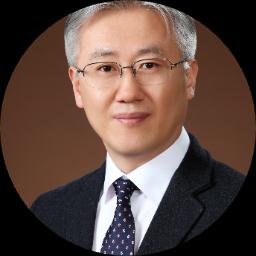
Dr. Sung Ho Kim is a NY Psychoanalyst with 30 years of clinical experience. He works with stress, anxiety, relationship issues, trauma and abuse, grief, and depression. He speaks English and Korean and accepts international clients.
He uses a mix of practical and reflective approaches. Sessions balance talk about current problems with attention to patterns that repeat over time. He helps people name what they feel, sort out difficult memories, and choose responses that match their values.
Dr. Kim draws from Acceptance and Commitment Therapy and Cognitive Behavioral Therapy to address symptoms and create workable strategies. Attachment-Based and Client-Centered ideas shape how he attends to relationships and trust. Dialectical Behavior Therapy skills are sometimes used to manage strong emotions and improve coping.
Work in his practice often focuses on connection - how past attachments affect current relationships and self-feelings. He helps people examine guilt, shame, and the expectations that keep them stuck. He can also support those facing abandonment, adoption and foster care issues, caregiver stress, chronic illness, and body image concerns.
Sessions are intended to be straightforward and practical. Dr. Kim aims to help people build clearer thinking about decisions, reduce unhelpful patterns, and develop tools for everyday life. To begin, readers should use the site's scheduling flow to match and book a first appointment.
Therapeutic approaches used in online sessions
Dr. Kim commonly draws on Acceptance and Commitment Therapy and Attachment-Based Therapy in his work. ACT focuses on noticing painful thoughts and choosing actions that reflect what matters most; it can help with persistent guilt, avoidance, and life decisions. Attachment-Based Therapy looks at how early relationships shape current patterns and trust, which can clarify recurring relationship struggles and feelings of shame.Finding the right approach is part of the work. He will discuss different methods with the client and decide together which techniques fit the person’s needs, goals, and preferences. That collaborative process helps shape whether sessions emphasize skills practice, exploring past patterns, or both.
Session formats are not listed in the biography, so confirm current options before booking. Online sessions can make it easier to fit therapy into a busy life - for example shorter check-ins can slip into a lunch break, and phone or video choices can match bandwidth, camera comfort, or the need for a quieter setting. Many people find that scheduling remotely helps maintain consistency while working on guilt, shame, and relationship patterns.
Areas of expertise
Primary focus
Additional focus areas
Therapeutic approaches
Experience
30+ years
Listed in
New York
Languages
English, Korean
Frequently asked questions
What kinds of concerns does he address?
He works with stress, anxiety, relationship difficulties, trauma and abuse, grief, and depression, plus related areas like abandonment and caregiver stress.
How does he approach guilt and shame in therapy?
He uses talk therapy combined with practical skills from ACT and CBT to help people notice patterns, name feelings, and choose actions that reflect their values.
How much clinical experience does he have?
He has 30 years of clinical experience as a NY Psychoanalyst working with a wide range of life challenges.
What is his credential and where is he based?
He is a NY Psychoanalyst (NY Psychoanalyst 000245) and practices from New York.
Which languages are offered for sessions?
Sessions are offered in English and Korean.
Can international clients work with him?
He accepts international clients.
How does pricing work for sessions?
Cost varies with location and sessions use a subscription that can be canceled at any time.
What are the steps to start working together?
Select the See online therapy options button, complete a short matching questionnaire, and schedule a first session.
Online talk therapy is not emergency care. If you are in danger or thinking about harming yourself, use the crisis numbers.